
6 habits that are ruining your nonstick pans (and how to fix them)

Nonstick pans are a staple for cooking eggs, fish, and other delicate foods that tend to cling to regular metal surfaces. But even the best nonstick skillet will lose its slick coating long before a cast-iron or stainless-steel pan wears out—especially if it’s not treated gently.
Whether your pan has a classic PTFE (often known by the brand name Teflon) coating or a newer ceramic finish, the same rules apply: avoid damage, keep the temperature in check, and clean and store it with care. Here are the everyday habits that quietly destroy nonstick pans and how to avoid them.
1. Using metal utensils on the surface
This is the fastest way to ruin a nonstick coating. Metal spatulas, whisks, tongs, and forks can leave fine scratches that gradually deepen with every stir and flip. Over time, those tiny marks can lead to peeling, flaking, and a surface that no longer releases food easily.
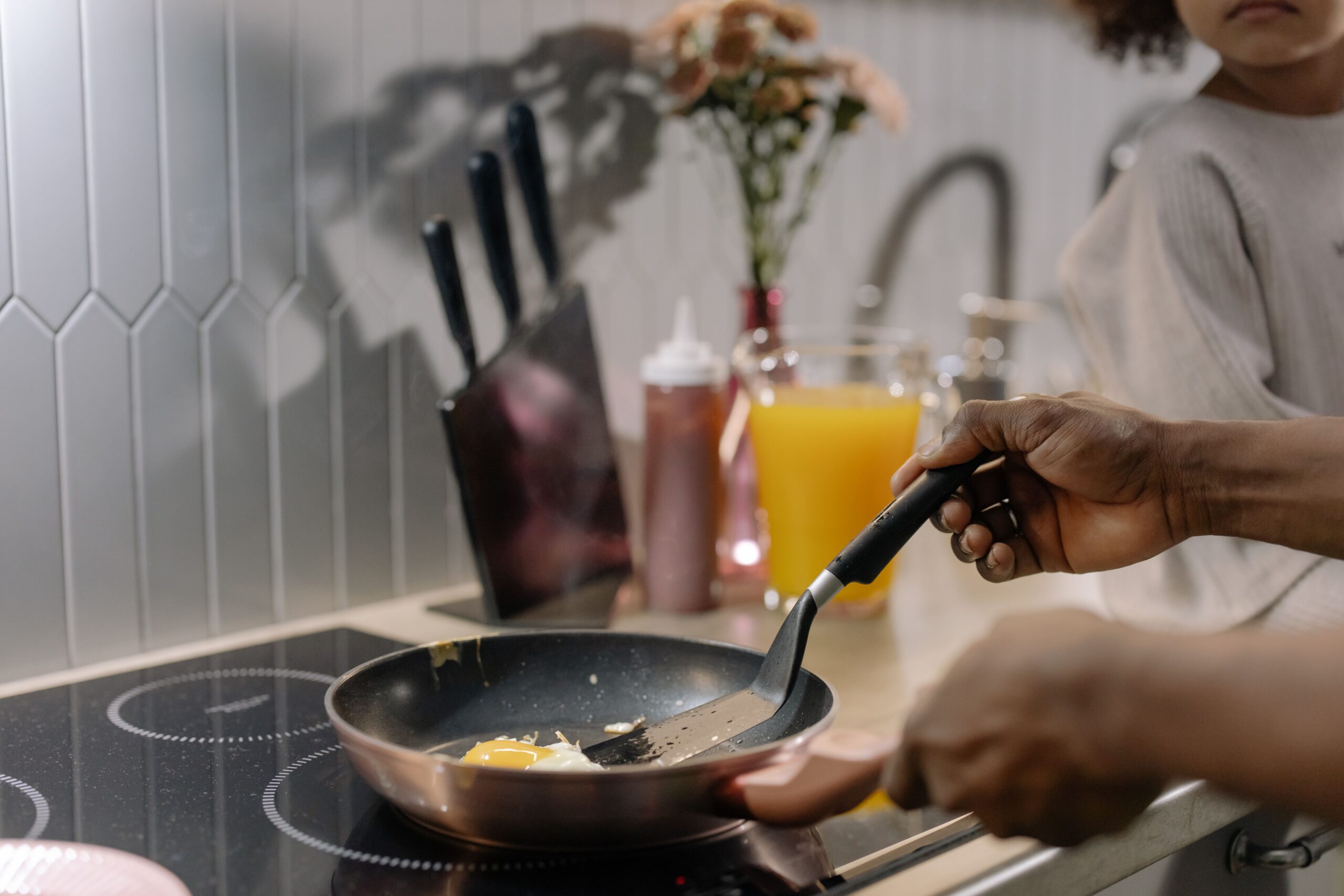
Instead, reach for softer tools made from silicone, wood, or heat-safe plastic. A flexible silicone spatula is especially handy for sliding under eggs or fish without scraping the pan.
Even with the right utensils, keep your movements gentle. Nonstick is not the place for chopping with the edge of a spatula, aggressively smashing food, or scraping at fond. If you need to sear hard or scrape up browned bits, switch to stainless steel or cast iron.
2. Heating an empty nonstick pan
Nonstick skillets heat up quickly—which is great for fast breakfasts but risky if you preheat them empty and walk away. PTFE-based coatings can start to break down at very high temperatures, and an empty pan can reach those levels quickly over strong heat or under a broiler.
To protect the coating, add a little oil or butter to the cold pan before it goes on the burner. The fat acts like a built-in thermometer: once the butter melts or the oil starts to shimmer, you know the surface is hot enough to cook but hasn’t had a chance to overheat.
If you realize you’ve left an empty nonstick pan on the heat and it is smoking or extremely hot, take it off the burner and let it cool completely before using or washing it.
3. Cooking on heat that’s too high
Nonstick cookware is designed for low to medium-high heat, not for ripping-hot searing. Repeated exposure to very high temperatures can shorten the life of the coating even if the surface looks intact.
That’s why stainless steel, carbon steel, and cast iron are better choices for:
- Hard searing steaks and chops
- Charring vegetables
- Blackening fish
- Cooking under a broiler
Most nonstick skillets are technically oven-safe, but only up to the temperature limit given by the manufacturer, which often falls somewhere between about 350°F and 480°F. Exceeding that range can damage both the coating and, in some cases, the structure of the pan itself.
Before sliding a nonstick skillet into the oven, check the handle, lid, and manufacturer’s recommendations. When in doubt, keep oven temperatures modest or transfer food to an oven-safe pan made from another material.
4. Simmering acidic foods for a long time
Tomato sauce, wine-based braises, and citrus-heavy dishes are all acidic. When they bubble away on a nonstick surface for extended periods, they can gradually wear down the coating.
For long-cooked dishes that rely on tomatoes, wine, or vinegar, choose stainless steel, enameled cast iron, or another non-reactive material instead of nonstick. Save your nonstick skillet for quick-cooking tasks like:
- Fried or scrambled eggs
- Omelettes and frittatas
- Fish fillets
- Pancakes and crepes
- Delicate vegetables that benefit from gentle heat
Using the right pan for each job not only protects your cookware but also improves results at the stove.
5. Washing nonstick pans in the dishwasher
Many nonstick pans are labeled “dishwasher-safe,” but regular trips through a dishwasher are tough on delicate coatings. Strong detergents, high water temperatures, and forceful spray can all speed up wear and tear.
Hand-washing is much gentler and usually takes just a minute. Use warm water, mild dish soap, and a soft sponge or cloth. Avoid steel wool, scouring pads, or abrasive powders that can scratch the surface.
Another important step: let the pan cool down before you wash it. Running cold water over a very hot pan can cause thermal shock, which may lead to warping over time. Always allow the skillet to return to room temperature on its own, then clean and dry it thoroughly before putting it away.
6. Stacking and storing them without protection
Nonstick coatings can pick up scratches even when they’re not being used. Stacking one pan directly on top of another, or storing lids and metal tools inside the skillet, can scuff or chip the coating each time you pull them out.
If cabinet space forces you to stack, add a soft barrier between each pan. Good options include:
- Felt pan protectors
- Clean dish towels
- Paper towels
This simple cushion keeps the cooking surfaces from rubbing against rough bottoms, rivets, or handles. Avoid tossing other cookware, metal utensils, or sharp tools into the same cabinet in a way that can bump or scrape your nonstick skillet.
How long should a nonstick pan last?
Even with careful use, nonstick coatings are not permanent. Unlike cast iron, carbon steel, or stainless steel, they will eventually lose their slipperiness and need to be replaced.
The goal isn’t to make a nonstick skillet last forever, but to get as many good years out of it as possible. Using gentle utensils, keeping the heat moderate, avoiding long acidic cooks, hand-washing, and storing the pan thoughtfully can all dramatically extend its working life.
When food starts sticking even with enough fat, the surface looks worn or patchy, or the coating begins to peel or flake, it’s time to retire the pan and replace it. Until then, a bit of extra care will keep your nonstick skillet performing close to new for far longer.



0 comments