
The best milk frothers for café‑style lattes and hot chocolate at home

Getting a latte or cappuccino that tastes like it came from a café usually comes down to one thing: the quality of the milk foam. A good frother can turn everyday coffee, cocoa, or matcha into something creamy and luxurious, even if you don’t own an espresso machine—or have barista training.
To see which gadgets are actually worth putting on your counter, testers put 27 milk frothers through side-by-side trials using whole, skim, and oat milk. The goal: find models that make fine, silky foam, hit reliable temperatures, work with dairy and non-dairy milks, and are not a headache to clean. Eight machines and handheld wands clearly stood out.
How milk frothers turn milk into foam
Foam is simply liquid with air trapped inside it. Cow’s milk is especially good at this because its proteins are both water-soluble and “surface active,” which means they latch onto air bubbles and help them hold their shape. That’s why dairy milk generally foams more easily and stays stable longer than most plant-based options.
When milk is heated, its proteins unfold and expose parts that cling to air, building a network of tiny bubbles—what baristas call microfoam. Microfoam is dense, glossy, and uniform, making it ideal for smooth lattes and latte art. Fat content matters, too: skim milk makes very light, pillowy foam, while whole milk produces a creamier, slightly heavier texture.
Countertop frothers create this foam with a small whisk powered by a motor. The spinning whisk forms a vortex, pulling air into the milk. At the same time, an electric heating element in the base warms the milk to set temperatures. Handheld frothers use a similar whisk but don’t heat the liquid, so you need to warm the milk separately for hot drinks and control the whisk angle and depth yourself.
How the milk frothers were tested
Each of the 27 frothers was run through a consistent series of tests:
- Foam quality: Testers evaluated the fineness of the bubbles, overall texture, and foam volume using whole milk and oat milk. When multiple foam settings were available, each was compared for density and expansion.
- Temperature performance: The lowest and highest heat settings were checked with an instant-read thermometer, and the time it took to reach those temperatures was recorded.
- Cold foam: Whole, skim, and oat milk were frothed on cold settings, with attention to how fluffy, stable, or watery the foam felt.
- Ease of use and cleaning: Testers rated how straightforward the controls were, how easy it was to set up, pour, and clean the pitcher or wand, and whether any parts were dishwasher-safe.
What to look for in a milk frother
Testing highlighted a few key features that separate the best frothers from the rest:
- Fine, stable microfoam: The top models produced tight, even bubbles and foam that stayed cohesive long enough to drink or pour latte art, rather than separating into hot milk and stiff foam too quickly.
- Customizable settings: Frothers with just one program felt limiting. Multi-level temperature and foam options made it easy to switch between latte-style foam, cappuccino foam, hot chocolate, and cold foam.
- Effective whisk design: Swappable or specially shaped whisk heads gave better control over foam density and improved stability. Some premium models include separate disks for latte and cappuccino textures.
- Easy cleanup: Because milk scorches where it touches the heated base, countertop pitchers are best rinsed or washed right away. Wide, detachable, or dishwasher-safe pitchers were much easier to keep clean than tall, narrow ones.
- Compatibility with non-dairy milks: While dairy milk foams most reliably, the best machines also handled oat and other plant-based milks well, especially when combined with precise temperature control.
The best overall milk frother
Instant Pot MagicFroth 9‑in‑1 Milk Frother
The Instant Pot MagicFroth came out on top as the best all‑around option thanks to its balance of performance, flexibility, and price. It offers three foam levels and multiple temperature options with a straightforward, modern control panel.
In testing, the MagicFroth consistently produced silky, well-integrated microfoam rather than a strict separation of hot milk and foam. It reliably heated milk into a cafe-style range of about 140°F to 160°F, and handled both whole milk and oat milk with ease on hot and cold settings.
The pitcher holds up to 17 ounces, enough to prepare several drinks in one batch, and it detaches from the base and can go in the dishwasher, simplifying cleanup. The main trade-off is speed: some cycles took close to five minutes, which is slightly slower than a few competitors—but the texture and consistency made the wait worthwhile.
Key specs:
- Capacity: 17 ounces
- Temperature: Cold, warm, hot
- Foam options: Stir only, latte, cappuccino
- Cleaning: Dishwasher-safe pitcher; wipe base with a damp cloth
The best splurge milk frother
Breville Milk Cafe Frother
For home baristas who want maximum control, the Breville Milk Cafe ranked as the standout premium choice. A dial on the front lets you choose temperatures from about 100°F up past 160°F, so you can fine-tune the heat level for lattes, cappuccinos, hot chocolate, or delicate non-dairy milks.
The Breville includes two magnetic whisks: one flatter disk for latte-like microfoam and a more ridged whisk for generous cappuccino foam. Both worked extremely well in testing, including with oat and other plant milks. With a 25‑ounce capacity, it can make milk for several drinks at once but also performs well with smaller quantities.
Usability details are thoughtfully handled. The stainless-steel jug is dishwasher-safe, there’s integrated cord storage, and the spare whisk snaps onto a magnetic holder on the back of the base. The only downside is its high price, but its performance and build quality made it the clear top-tier pick.
Key specs:
- Capacity: 25 ounces
- Temperature: Variable dial (around 100°F to over 160°F), plus cold
- Foam options: Separate latte and cappuccino whisk attachments, plus stir only
- Cleaning: Dishwasher-safe pitcher; wipe base clean
Another premium pick with compact style
SMEG Mini Milk Frother
The SMEG Mini Milk Frother stands out for its small footprint and retro design as much as its performance. A single button controls its modes: cold foam, hot foam, and hot milk. The two heated programs reached approximately 155°F in tests.
Despite its minimal interface, the SMEG produced light, silky foam with fine bubbles across dairy and oat milks, although oat milk came out slightly less fluffy compared to whole milk. Its six‑ounce capacity is modest, making it better suited to one or two drinks at a time.
Compared to other splurge-level frothers, it offers fewer customization options but doubles as a stylish countertop appliance for those prioritizing design.
Key specs:
- Capacity: 6 ounces
- Temperature: Hot or cold
- Foam options: Foam or stir (hot milk)
- Cleaning: Dishwasher-safe lid and whisk; hand-wash interior and wipe exterior
The best budget countertop frother
Instant 4‑in‑1 Milk Frother and Steamer
For a lower-cost countertop option, the Instant 4‑in‑1 Milk Frother and Steamer covered the essentials without unnecessary extras. Its simple control layout offers four programs: cold foam, warm latte foam, warm cappuccino foam, and hot milk.
Testers found clear differences between its latte and cappuccino settings in both density and volume. Warm cycles consistently reached about 145°F, while hot cycles landed around 165°F. It also produced pleasant cold foam for iced coffee drinks.
Its 10‑ounce capacity is modest compared to pricier models, and it lacks fine-grained temperature control, but for the cost it delivered reliable, drinkable results with minimal fuss.
Key specs:
- Capacity: 10 ounces
- Temperature: Cold, warm, hot
- Foam options: Latte and cappuccino
- Cleaning: Wash interior with warm soapy water; wipe exterior
The best handheld milk frothers
Best overall handheld: Golde Superwhisk
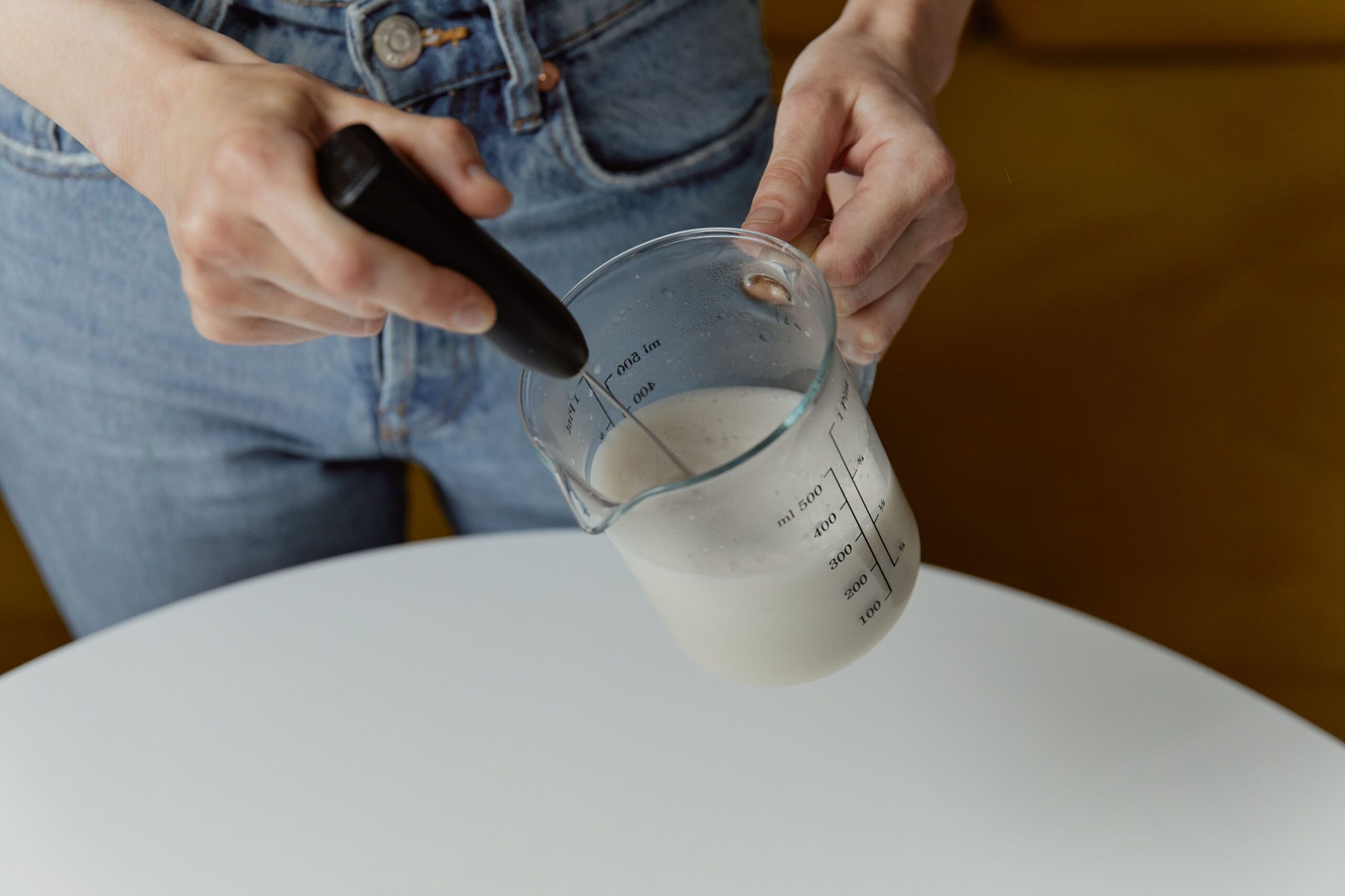
The Golde Superwhisk was the most versatile handheld frother in the tests. Its dual-coiled whisk head and two speed settings generated notably finer and more uniform foam than many single-speed wands, making it a strong choice for both hot drinks (once the milk is preheated) and cold foam.
It’s rechargeable via USB, comes with a protective lid that makes it easier to pack for travel, and the whisk head detaches and can go in the dishwasher. It also handled powdery ingredients like matcha efficiently, even though that wasn’t part of the formal scoring.
The main limitation is inherent to the category: it doesn’t heat milk, and it can’t match the power or capacity of a countertop unit. But for a compact tool, it offered impressive control over foam texture.
Key specs:
- Weight: About 6 ounces
- Temperature: None (frothing only)
- Foam options: Two speeds
- Cleaning: Dishwasher-safe whisk; wipe handle with a damp cloth
Best for latte art: Subminimal NanoFoamer Handheld Milk Foamer
Among handheld devices, the Subminimal NanoFoamer stood out for its ability to produce barista-style microfoam suitable for latte art. Instead of a typical open coil, it uses tight mesh NanoScreen attachments that break milk down into extremely small bubbles.
The frother comes with two mesh heads: a fine screen for dense, velvety microfoam and a superfine one that creates a slightly lighter texture. Combined with its two speed settings, those attachments allowed testers to dial in foam close to the consistency achieved with espresso-machine steam wands.
On the downside, instructions are accessed only through a QR code that links to a digital manual, which some testers found inconvenient. It also lacks a classic whisk head, limiting its usefulness for simply mixing powders into liquids.
Key specs:
- Weight: Around 5.3 ounces
- Temperature: None (frothing only)
- Foam options: Two speeds; two NanoScreen heads
- Cleaning: Run under clean water or froth in a glass of water immediately after use
Best budget handheld: Zulay Kitchen Original Milk Frother
For shoppers who want an inexpensive handheld frother that works reliably, the Zulay Kitchen Original performed well in testing. A single button powers the whisk, and it produces fluffy foam suitable for lattes and cappuccinos without complicated controls.
The wand is light and comfortable to hold, comes with a stand for storage, and costs under twenty dollars. It doesn’t offer multiple speeds or interchangeable whisk heads, but for basic daily use it proved sturdy and effective.
Key specs:
- Weight: About 5.6 ounces
- Temperature: None (frothing only)
- Foam options: One speed
- Cleaning: Run the whisk under water while powered on briefly after use
Another good low-cost handheld: SIMPLETaste Milk Frother
As an alternative to the Zulay, the SIMPLETaste Milk Frother offered similar performance at an often lower price. It whipped whole milk into shiny, airy foam in under a minute and felt light and comfortable during use.
Testers particularly appreciated that one tap of the button switched it on and another tap switched it off, rather than requiring the button to be held continuously. Like other basic wands, it has a single speed and no dishwasher-safe parts, but rinsing the whisk immediately after use was sufficient to keep it clean.
Key specs:
- Weight: Around 3.5 ounces
- Temperature: None (frothing only)
- Foam options: One speed
- Cleaning: Rinse whisk head under warm water right after use
Notable models that didn’t make the cut
Several well-known frothers failed to meet the bar set by the top picks, usually because of weaker performance, higher prices, or limited settings. Examples included:
- Nespresso Aeroccino 4 and 3: Both were relatively expensive for their capacity and, in testing, produced foam that was less silky than the winners. The narrow design of the Aeroccino 3 also made it difficult to clean the bottom of the pitcher.
- Bodum Bistro Electric Frother and Spinn Milk Frother: These models offered only a single temperature and foam program, which limited versatility compared to multi-setting machines.
- Philips Baristina Hot & Cold Milk Frother: Despite a higher price tag, it lacked adjustable settings beyond warm or cold, and did not outperform less expensive options.
- Several handhelds, including the Aerolatte and Rösle dual-speed frother: These struggled either with weak power, larger bubbles, or quickly deflating foam.
Some previously recommended devices, such as the Miroco and certain Paris Rhône models, have also become difficult to find or have been discontinued, which counted against them in a long-term recommendation list.
FAQs about using a milk frother
How do you use a countertop milk frother?
Most electric frothers follow the same steps. Pour milk into the pitcher, staying between the marked minimum and maximum lines, choose your desired temperature and foam setting, then press start. The machine heats and froths automatically and shuts off when the program is finished. Afterward, you pour the milk directly into your coffee or mug.
How do you use a handheld milk frother?
With handheld wands, first pour milk into a separate jug or glass. If you want a hot drink, warm the milk on the stove or in the microwave beforehand. Submerge the whisk just below the surface of the milk, turn the frother on, and tilt or move it gently up and down until you reach your preferred foam volume and texture.
Can you froth oat milk and other plant-based milks?
Yes. Most frothers can aerate oat, almond, and other non-dairy milks, although they may foam differently from dairy. Some plant milks take longer to thicken and may produce slightly looser foam. Barista-style formulations of alternative milks are designed with extra protein and fat to improve stability. In testing, the Breville Milk Cafe handled plant-based milks especially well thanks to its precise temperature control and interchangeable whisks.
Is buying a milk frother worth it?
If you regularly make lattes, cappuccinos, cold foam for iced coffee, matcha lattes, or hot chocolate at home, a dedicated frother can significantly improve texture and consistency while saving you time. Occasional drinkers or those who are happy with basic coffee may be fine without one, but frequent café-goers often find a frother pays for itself quickly.
Do all milk frothers heat the milk?
No. Countertop electric models both heat and froth, while most handheld frothers only aerate. If your frother doesn’t have a heating element, you’ll need to warm milk separately for hot drinks.
What’s the best way to clean a milk frother?
For pitcher-style frothers, remove the jug from the base and wash it with warm, soapy water soon after use to prevent milk from baking onto the bottom. A long-handled sponge or bottle brush helps reach any narrow spots. Some pitchers, like those from Breville and Instant, are dishwasher-safe. For handheld wands, run the whisk under warm water—or froth in a cup of clean water—immediately after use, then dry it thoroughly.
Choosing the right frother for your kitchen
For most home kitchens, a countertop model like the Instant Pot MagicFroth offers the best mix of convenience, consistent foam, and easy cleanup. Enthusiasts who want full control over temperature and texture—and are willing to pay more for it—will get the most precision from the Breville Milk Cafe.
If space or budget is tight, a solid handheld frother like the Golde Superwhisk, Subminimal NanoFoamer, or Zulay Kitchen model can still transform everyday coffee and cocoa, especially when paired with good-quality milk. Whatever you choose, paying attention to foam texture, temperature, and cleaning habits will help you enjoy café-style drinks without leaving your kitchen.



0 comments