
Foods you should avoid cooking in a cast iron skillet

Cast iron skillets are beloved for their durability, impressive heat retention, and ability to build up a naturally slick surface over time. They are fantastic for searing steaks, crisping potatoes, and baking golden cornbread. Still, not every ingredient behaves well in this type of pan.
Because cast iron heats slowly, holds on to heat for a long time, and has a reactive metal base under its seasoning layer, certain foods are more likely to stick, burn, or pick up off flavors. Knowing when to reach for a different pan will protect both your meal and your skillet’s seasoning.
Why some foods struggle in cast iron
A cast iron skillet is very different from nonstick, stainless steel, or even carbon steel cookware. Its key characteristics are:
- High thermal mass: it heats up slowly but stays hot for a long time.
- Slower response to temperature changes: turning the burner up or down takes longer to show any effect.
- Seasoned but reactive surface: the layer of polymerized oil acts as a protective coating, but underneath is bare iron that can react with certain ingredients if exposed.
These traits are exactly what make cast iron so good for hard sears and deep browning, but they can also mean trouble for foods that need gentle heat, quick adjustments, or a completely nonreactive cooking surface.
1. Long-simmered acidic dishes
The question of whether tomatoes and other acidic foods belong in cast iron is common and confusing. A quick tomato sauce or a fast baked dish with tomatoes usually works out fine, but long-cooked, very acidic recipes are a different story.
The seasoning on a cast iron skillet is made up of thin layers of polymerized oil bonded to the metal. This coating shields the food from the raw iron underneath. When strongly acidic ingredients such as tomatoes, vinegar, citrus juice, or wine simmer for an extended time, they can slowly wear away that protective film.
As the seasoning thins or breaks in spots, more of the bare iron is exposed. The acid can then react with the metal, which may lead to:
- Noticeable metallic or off flavors in the food
- Dark streaks or discoloration in light-colored sauces
- Patchy, dull areas in the skillet’s seasoning
Newer pans with a thin or not-yet-even seasoning layer are more susceptible to this kind of damage than older skillets with many layers built up.
In general:
- Usually fine: quick tomato-based dishes or sauces with wine or citrus that cook for under about 20 minutes, and recipes where acidic ingredients are present in small amounts (for example a spoonful of tomato paste or a splash of vinegar).
- Riskier: tomato-heavy braises, long-simmered tomato sauces, or stews and dishes where acidic liquids bubble away in the pan for a long time.
Better pans for acidic foods
- Stainless steel: fully nonreactive and easy to clean, ideal for tomato sauces, wine reductions, and citrusy braises.
- Enameled cast iron: offers the same heat retention as bare cast iron, but the enamel coating keeps acid away from the metal.
- Earthenware: traditional clay or ceramic pots are also good options for slow, saucy dishes.
2. Delicate fish fillets
Cast iron is outstanding for hard sears on thicker cuts of fish, but it’s often a poor match for thin, fragile fillets. Fish like sole, flounder, or very flaky white fish can easily overcook or stick in a heavy, heat-retentive pan.
Because cast iron retains heat so well, it does not cool down quickly when you add food or when you lower the burner. This can make it hard to control the temperature carefully enough for very tender fish, which benefits from gentler, more responsive cooking. Problems you may run into include:
- Overcooking around the edges while the center is still coming up to temperature
- Sticking and tearing when you try to turn or remove the fillets
- Uneven browning due to hot and cooler zones as the pan slowly comes up to an even heat
Thicker, sturdier fish—such as salmon, tuna, or swordfish—can work well in cast iron, especially when you want a deep, flavorful crust. Even then, a well-developed seasoning layer and enough cooking fat are important to minimize sticking.
For very delicate fish that needs precise control and a reliable nonstick surface, another pan will usually give better results and far less frustration.
Better pans for delicate fish
- Nonstick or ceramic-coated pans: excellent release and easy turning, especially for thin fillets.
- Carbon steel: lighter and more responsive than cast iron, but can be seasoned to a relatively nonstick surface.
- Stainless steel: works well when properly preheated and used with enough oil, and allows for more responsive temperature changes.
3. Eggs in a new or poorly seasoned skillet
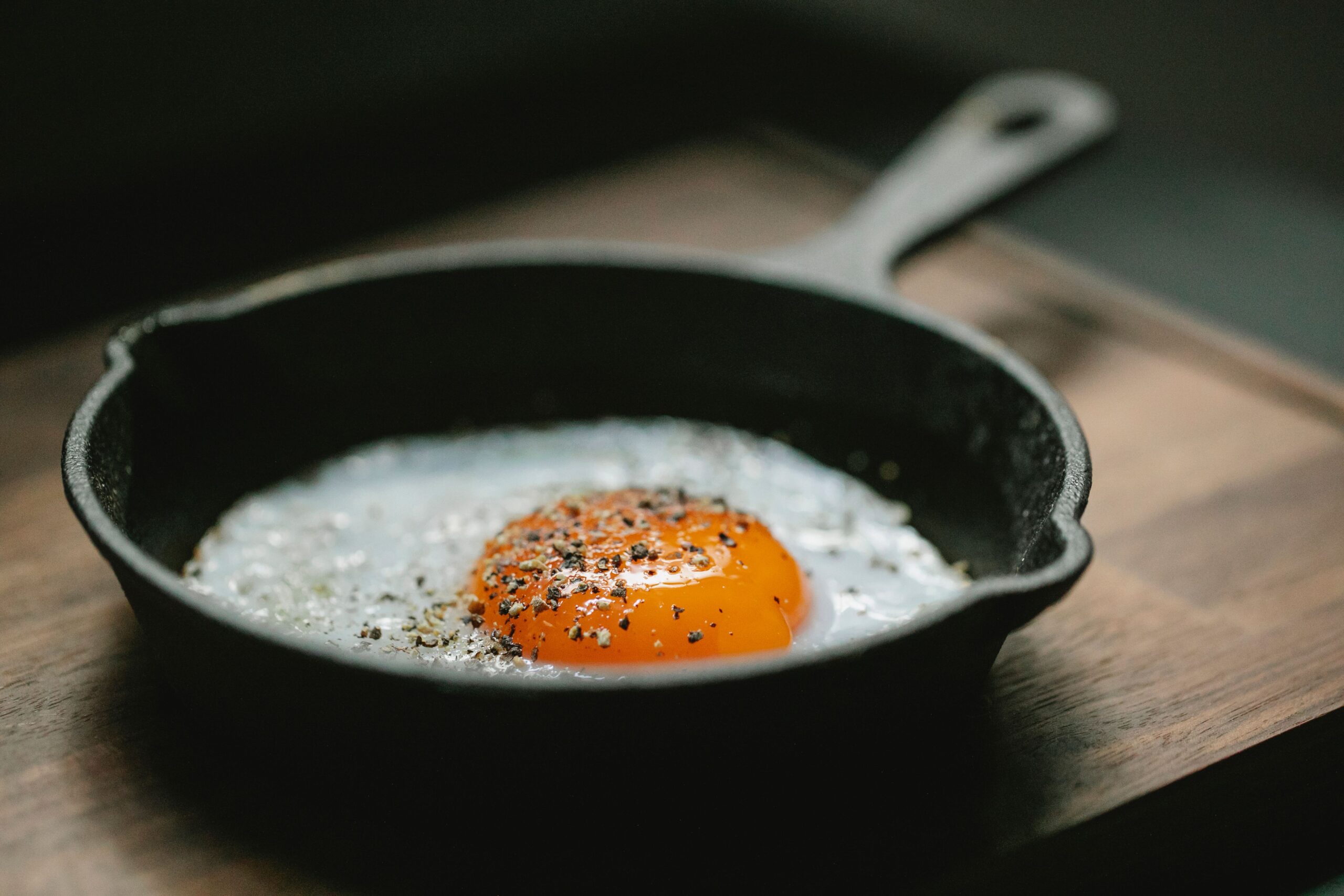
In a well-seasoned cast iron skillet, fried eggs and omelets can slide right out. Many home cooks, however, experience the opposite: eggs that weld themselves to the pan and leave a stubborn, stuck-on residue.
The main culprit is usually the condition of the seasoning. New pans or those with thin, uneven, or neglected seasoning provide more exposed spots where egg proteins can cling. Cast iron also needs thorough, even preheating; before the heat spreads fully, different areas of the pan can sit at noticeably different temperatures, which further encourages sticking.
Without a solid, uniform layer of seasoning, proper preheating, and enough oil or butter, eggs are very likely to catch on the surface. This leads to torn yolks, messy scrambled bits left behind, and more difficult cleanup afterwards.
If you are still building up seasoning or are unsure about your pan’s surface, it is usually smarter to cook eggs in a truly nonstick pan instead of risking a sticky disaster.
Better pans for eggs (when seasoning is not robust)
- Nonstick or ceramic-coated pans: the easiest and most forgiving choice for fried, scrambled, or folded eggs.
4. Caramel and very sticky sugar-based sauces
Making caramel and other sugar-based sauces requires both precision and speed. The sugar changes temperature and color rapidly, and you need a pan that responds as soon as you adjust the heat or remove it from the burner.
Cast iron’s slow response and strong heat retention work against you here. Even if you pull a caramel off the stove at the perfect moment, the pan will stay extremely hot and the sugar can continue cooking well past the ideal stage. That can push your caramel from just right to bitter in a matter of moments.
The dark color of cast iron also makes it harder to see the sugar’s color transitions clearly, which are your main visual cues for doneness. Light-colored pans make it much easier to judge when to stop cooking.
Other sticky, sugar-forward sauces—such as teriyaki, honey glazes, and sweet reductions—can run into similar issues. As the liquid boils away and the sugars concentrate, they are more likely to scorch in a pan that holds on to high heat for too long.
Better pans for caramel and sweet sauces
- Stainless steel: light-colored, nonreactive, and more responsive, so you can see color changes and control temperature more accurately.
- Aluminum: heats up and cools down quickly, giving you finer control over sensitive sugar stages.
- Copper: extremely responsive and prized by professionals for candy-making and caramel work.
What cast iron is particularly good at
The same traits that make cast iron tricky for certain foods are exactly what make it shine for many others. Its high thermal mass means it does not lose much heat when you add cold ingredients, which helps create an even, deeply browned crust on:
- Steaks and pork chops
- Burgers and sausages
- Hearty vegetables like cabbage wedges or thick-cut onions
- Roasted potatoes and other root vegetables
Cast iron’s steady heat is also excellent for dishes that need consistent warmth across the whole pan, such as shallow frying, skillet pizzas, cornbread, and many baked desserts. Over time, as you cook and maintain the pan, the seasoning becomes more durable and slick, improving its performance and making even delicate foods more manageable.
Cast iron itself is robust—if the seasoning becomes damaged, it can be cleaned and rebuilt. Understanding where its strengths and weaknesses lie simply helps you decide when it is the right tool for your recipe, and when another pan will give you better control, cleaner flavors, and an easier cleanup.



0 comments