
The best bread knives for crusty loaves, soft sandwich bread, and more

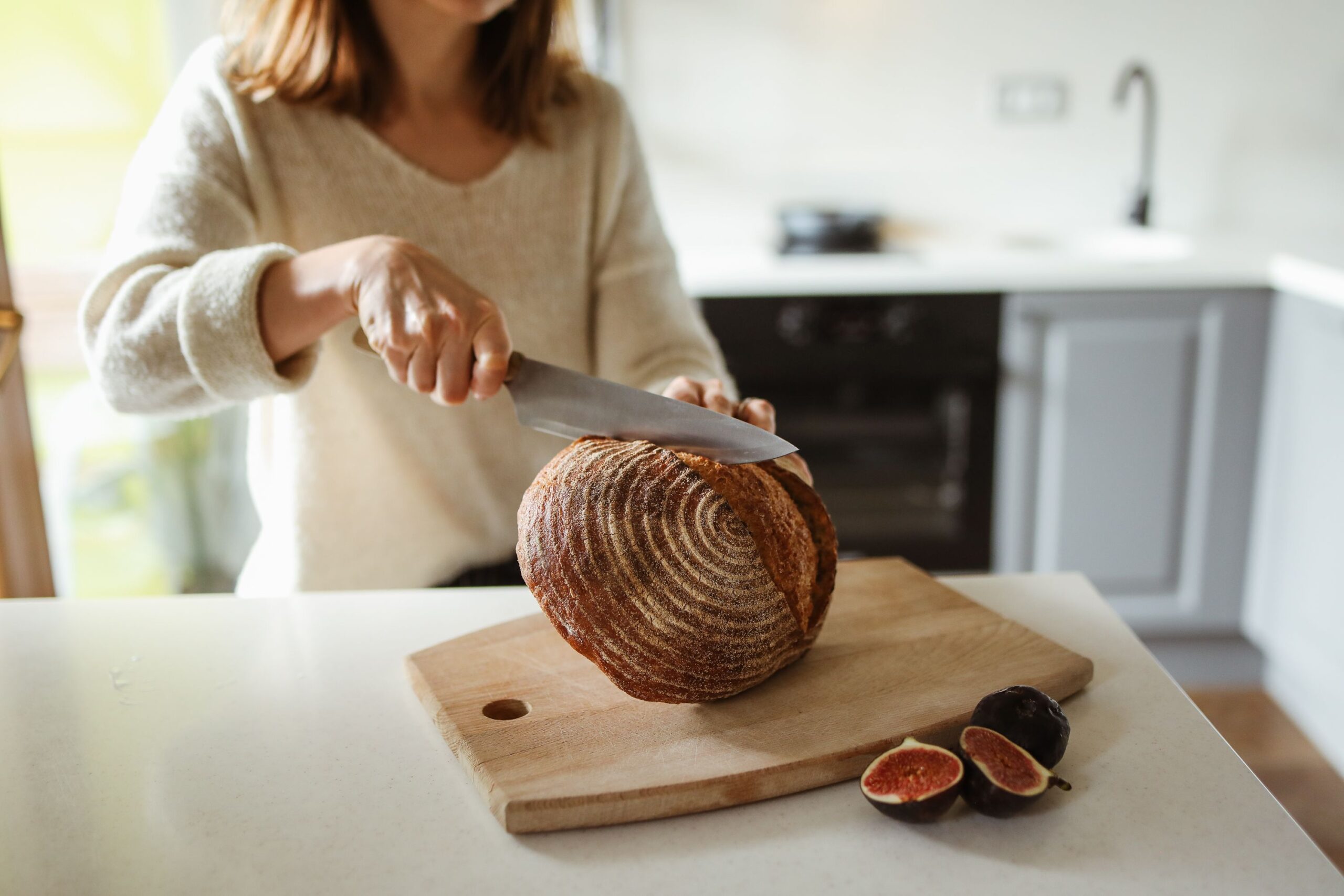
A serrated bread knife is one of the three essential kitchen blades, right alongside a chef’s knife and a paring knife. It’s the tool that makes quick work of crusty boules, soft sandwich loaves, and even tricky ingredients like ripe tomatoes and winter squash.
Because serrated edges are difficult and often impractical to sharpen at home, a bread knife is something you buy, use hard, and replace every five to ten years. That makes price, durability, and day‑to‑day performance especially important. Based on repeated testing over almost a decade, three models remain standout choices for most home cooks.
The top bread knives you can buy
Best overall: Tojiro F-737 235mm Bread Slicer
The Tojiro F-737 remains the leading choice after years of testing. Its slim, high‑carbon stainless steel blade is just under 10 inches long, with a relatively low profile that keeps the knife light, agile, and easy to steer.
The serrations are moderately deep with slightly rounded points. This gives the edge enough bite to get through a firm crust, while the sharpened sections between the teeth do most of the cutting. In practice, that means it can slice rustic loaves, enriched sandwich bread, and tomatoes without shredding or crushing them.
The blade has some flex, which is helpful when trimming away thick peels or working around curved produce like butternut squash. The wooden handle feels natural in the hand, though it is on the narrow side and may feel small for larger hands. Because the handle and blade are on the same line, knuckles can occasionally graze the cutting board; many users naturally compensate by working with the handle slightly off the edge of the board.
For most home kitchens, this knife offers the best balance of price, versatility, and comfort, and it typically sells for under $75.
Best for crusty sourdough and heavy-duty tasks: Dexter-Russell Basics 10-Inch Bread Knife
The Dexter-Russell Basics 10-inch bread knife is a sturdy, budget-friendly option that excels with tough, crusty loaves and harder produce. Its blade is slightly taller than the Tojiro F-737, which adds stability and helps keep slices even from top to bottom.
Made from stain‑resistant high‑carbon steel, the blade has straight, moderately deep serrations that bite into thick crusts without generating a storm of crumbs or flattening soft interiors. It handled dense sourdough and even firm winter squash with confidence in testing.
The grippy polypropylene handle is larger and more textured than the Tojiro’s wooden handle, making this knife especially comfortable for bigger hands or for cooks who value a secure, non-slip grip.
Its main trade‑off is finesse: the extra height and rigidity that make it so steady on big loaves also make it less nimble for delicate work like shaving ultra-thin tomato slices or peeling around curves. Still, at roughly $20, its durability and performance make it a standout heavy-duty bread knife for everyday use.
Worth the splurge: Tojiro F-687 270mm Bread Slicer
The Tojiro F-687 is the rare bread knife that justifies a higher price. Its 10.5‑inch blade features smooth, wavy scallops instead of sharp points, creating a razor‑sharp edge that glides through food with minimal effort.
In testing, this knife moved almost effortlessly through crackling boules, soft sandwich loaves, ripe tomatoes, and even the dense flesh and thick skin of butternut squash. The blade is slightly curved, which improves leverage for long strokes on wide loaves while keeping your hand comfortably above the cutting board.
The F-687’s taller blade and added weight give it the stability of the Dexter-Russell, while its fine edge and tapered tip provide much of the precision of the F-737. The handle is larger and more substantial than on the smaller Tojiro, which many users will find reassuring and comfortable for longer prep sessions.
At around $100, it costs significantly more than most of the competition, and availability can be inconsistent. But for serious bread bakers or anyone who wants one knife that can tackle both delicate and demanding slicing with ease, this model’s performance stands out.
How these bread knives were tested
The recommended knives were evaluated across multiple rounds of comparative testing over several years, with a focus on both performance and everyday usability. Each knife was put through the same core tasks:
- Rustic loaf test: Cutting through crusty boules to gauge how easily the edge breaks a thick crust and whether it can produce even slices across a wide loaf.
- Baguette test: Slicing crisp baguettes while watching for tearing, excessive crumbs, or compressed interiors.
- Sandwich bread test: Cutting an enriched, soft loaf to see how gently the knife treats a tender crumb and how cleanly it slices.
- Tomato test: Slicing ripe tomatoes to evaluate how well the serrations grip and cut delicate skins without crushing.
- Butternut squash test (for top performers): Halving and peeling a butternut squash, checking how blade stiffness or flexibility affects control on hard, curved surfaces.
- Cleaning and comfort checks: Assessing handle comfort, balance, and how easy each knife is to wash and dry by hand.
What matters most in a bread knife
Blade length
Bread knives typically range from 7 to 11 inches, but testing showed that blades of at least about 9.5 inches are much more versatile. Shorter knives struggle to cut across large boules or wide loaves in a single, smooth stroke, often forcing extra sawing and leading to uneven slices.
Both the Dexter-Russell and Tojiro F-687, with blades around 10 inches or more, handled bakery‑style loaves far more comfortably than shorter 8‑inch models.
Blade height and control
Blade height strongly influences how a bread knife feels in use. Narrow blades, like the 1‑inch‑tall Tojiro F-737, tend to feel light and maneuverable. They excel at precision tasks such as trimming tomato slices or cutting small pastries, but they can produce uneven slices if the user’s hand wavers.
Taller blades, like those on the Dexter-Russell and Tojiro F-687, feel more stable and naturally track straight down through a loaf, yielding more uniform slices. The trade‑off is that they are slightly less nimble for delicate or curved cuts.
Straight vs. curved blades
Among the tested knives, both straight and gently curved blades performed well, each with distinct advantages:
- Straight blades: Often produce especially consistent slices because the entire edge meets the cutting board evenly. However, when the handle is in line with the blade, knuckles can bump the board on shorter models.
- Curved blades: Offer better leverage for long, sweeping cuts and help keep your hand clear of the board, but they require a bit more attention to ensure the bottom of each slice is cut cleanly.
Offset bread knives, where the blade sits lower than the handle, also exist and provide extra clearance for fingers, but past testing has not yet identified an offset model that clearly outperforms the straight and curved knives recommended here.
Serration style and depth
The shape and depth of the serrations have a major impact on how a bread knife behaves. Tested knives fell along a spectrum from sharp, tooth‑like points to rounded, wave‑shaped scallops.
- Very deep, sharp teeth: Can latch onto hard crusts but often tear bread, throw off a lot of crumbs, and crush softer loaves. They are also more likely to rough up delicate ingredients like tomatoes.
- Very shallow or almost smooth edges: Sometimes struggle to get a grip on tough crusts, especially when the blade is shorter or not exceptionally sharp.
- Moderate, rounded serrations: Provided the best balance in testing. They allow the sharpened edge between the points to do most of the work, cutting cleanly through crusts while staying gentle on soft interiors.
The Tojiro F-737 and Dexter-Russell represent this middle ground well, while the wavy scallops on the Tojiro F-687 create an especially smooth, gliding cut when the edge is well maintained.
Caring for a serrated bread knife
Sharpening expectations
Unlike a chef’s knife, a serrated bread knife is difficult to sharpen at home. Each individual serration ideally needs to be honed separately, which is time‑consuming and requires specialized tools and practice. Some professional sharpening services will work on serrated blades, but not all, and the cost can add up.
For most home cooks, it is more practical to treat a bread knife as a long‑lasting but ultimately replaceable tool. With proper care, a good serrated knife should perform well for roughly five to ten years before it feels noticeably dull.
Cleaning and maintenance
All of the recommended bread knives should be washed by hand and dried immediately. Dishwashers can accelerate dulling, promote corrosion, and damage handles—especially wooden ones like the handle on the Tojiro F-737.
To keep your knife in good condition:
- Wash in warm, soapy water right after use.
- Dry thoroughly with a clean towel.
- Store in a knife block, sheath, or on a magnetic strip to protect the edge.
How to choose the right bread knife for your kitchen
The “best” serrated knife depends partly on your baking and cooking habits, as well as hand size and comfort preferences. Consider the following when deciding:
- Loaf size and style: If you regularly bake large sourdough boules or buy wide bakery loaves, opt for a blade of at least about 9.5 to 10 inches.
- What you cut most: For frequent hard‑crust loaves and squash, a taller, sturdier blade like the Dexter-Russell or Tojiro F-687 is helpful. For a mix of bread, tomatoes, and cakes, a lighter knife such as the Tojiro F-737 may feel more versatile.
- Handle fit: Choose a handle that feels secure and comfortable. Narrow wooden handles can suit smaller hands, while larger, textured plastic or composite handles may better suit bigger hands or heavy-duty use.
- Budget and replacement cycle: Because serrated knives are rarely sharpened, think of the purchase as a multi‑year investment rather than a lifetime tool. All three recommended knives are designed to perform well through years of regular use before replacement is needed.
With the right bread knife, you can slice crusty loaves without crushing them, portion sandwich bread neatly, and even handle tough‑skinned produce more safely and efficiently. Choosing a model with the right length, serration style, and handle for your needs will make everyday cutting tasks noticeably easier.



0 comments